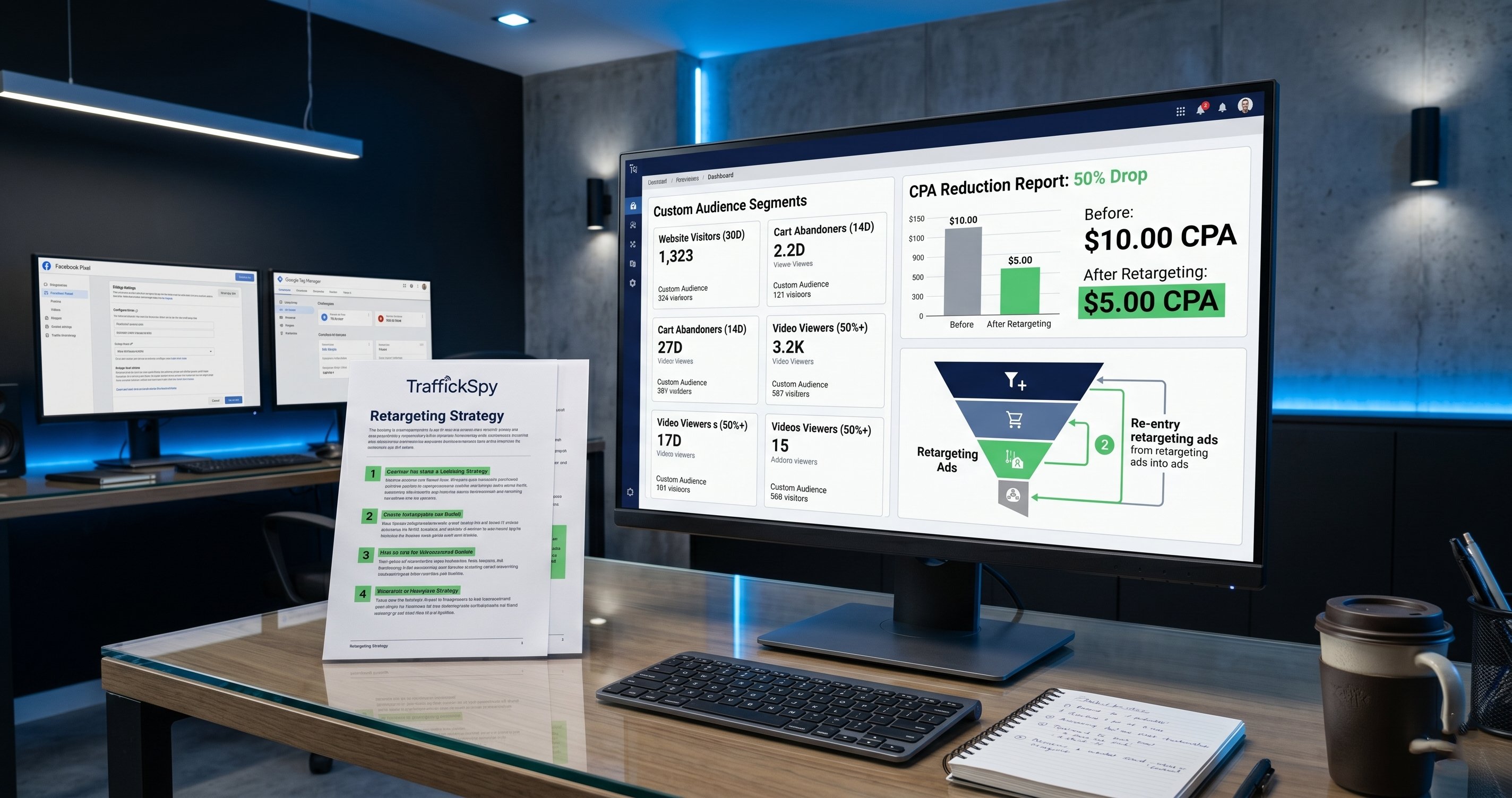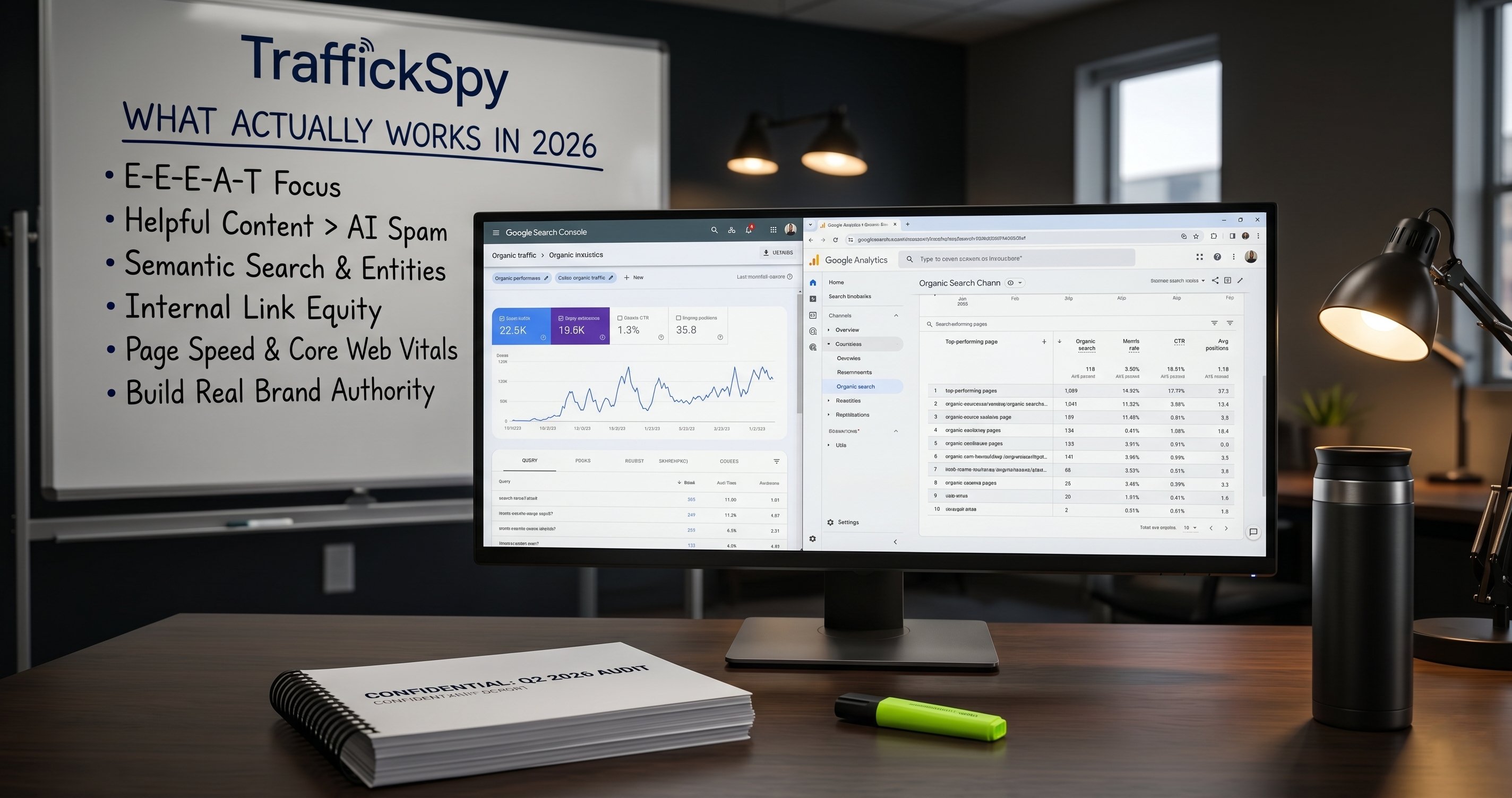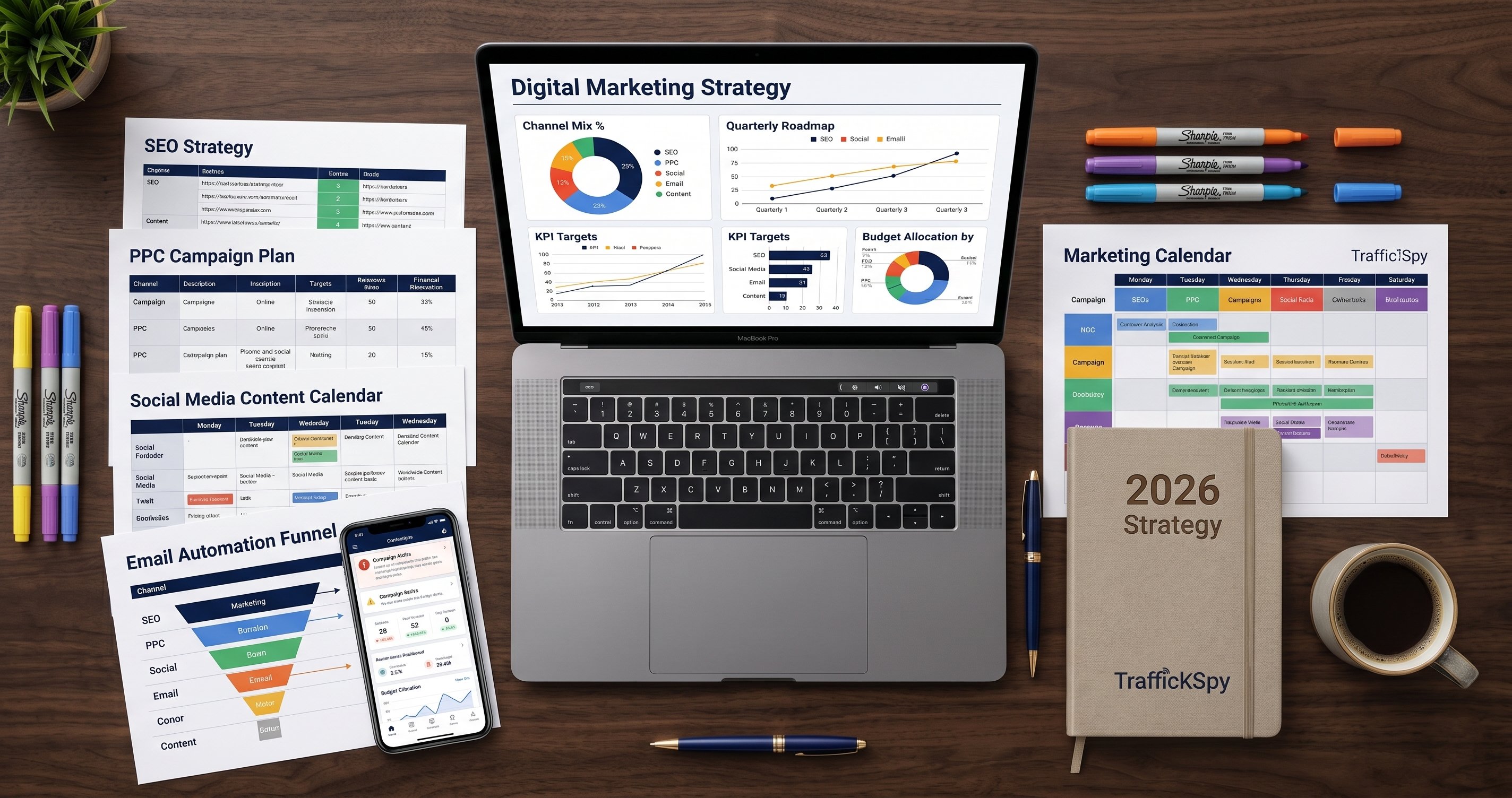
The digital marketing strategies that worked in 2022 are producing half the results in 2026 — and the ones that work today require a fundamentally different mindset. The shift from third-party data dependency to first-party data ecosystems, the rise of AI-powered creative and personalization, and the fragmentation of audience attention across 15+ channels have permanently changed the rules.
First-Party Data Is Now Your Most Valuable Asset
With third-party cookies fully deprecated, your customer list, email subscribers, and CRM data are more valuable than ever. First-party data powers better audience matching (custom audiences on Meta and Google from your own email lists outperform interest-based targeting by 2–4x), more accurate attribution, and personalization at scale.
Building a first-party data strategy means capturing emails and customer data across every touchpoint. Lead generation campaigns that offer real value in exchange for contact information are the foundation of any first-party data strategy.
AI-Powered Personalization at Scale
Dynamic ad creative systems can now serve different headlines, images, and CTAs based on a user's browsing history, location, device, and time of day — automatically. Brands using dynamic personalization see 20–35% higher conversion rates compared to static creative. The key is feeding the system clean, structured first-party data to personalize against.
Omnichannel Attribution: Moving Beyond Last-Click
Last-click attribution gives 100% of the conversion credit to the final touchpoint — typically a branded search ad or direct visit. This model systematically under-credits display advertising, social media ads, and content marketing. Switching from last-click to data-driven attribution typically reveals that display and social have been contributing 30–60% more value than previously measured.
Content Marketing as a Long-Term Compounding Asset
Unlike paid advertising (which stops producing results the moment you stop spending), content marketing compounds over time. A well-optimized blog post published today can still drive organic traffic 3–5 years from now. The most effective content marketing strategy combines SEO-driven informational content, comparison and review content (high-intent, mid-funnel), and thought leadership content.
The Integrated Digital Marketing Stack
The highest-performing digital marketing programs build integrated systems where each channel feeds the others. SEO content drives organic traffic that feeds your email list. Email marketing nurtures leads captured from paid search. Retargeting campaigns convert engaged organic visitors into buyers. Contact our team to see how this integrated approach would apply to your business.