Affiliate marketing generated over $17 billion in revenue in 2024, and the market continues to grow at 10% annually. The model is simple: promote other companies' products or services, earn a commission on every sale or lead. But the execution — choosing the right niche, finding quality programs, driving targeted traffic, and optimizing conversions — separates the 5% who earn significant income from the 95% who quit within 90 days.
What Is Affiliate Marketing (And How the Money Actually Works)
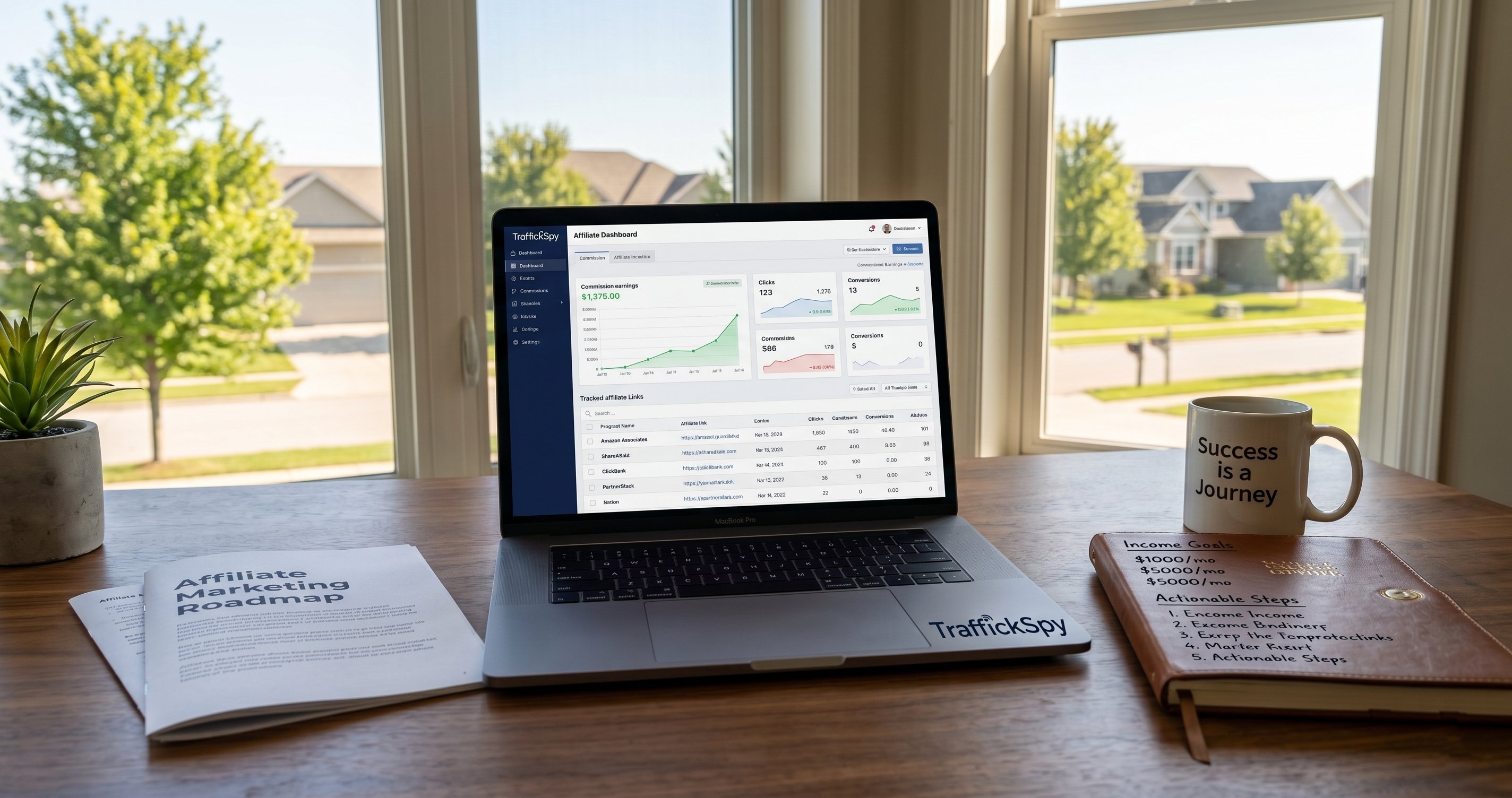
When you join an affiliate program, you receive a unique tracking link. Every sale, lead, or click generated through your link is attributed to you, and you earn a predetermined commission. Commissions range from 1% (physical products on Amazon) to 50–75% (digital products on platforms like ClickBank or ShareASale). The highest-paying affiliate programs — typically SaaS, financial products, and high-ticket courses — pay $100–$500+ per sale or $50–$200 per qualified lead.
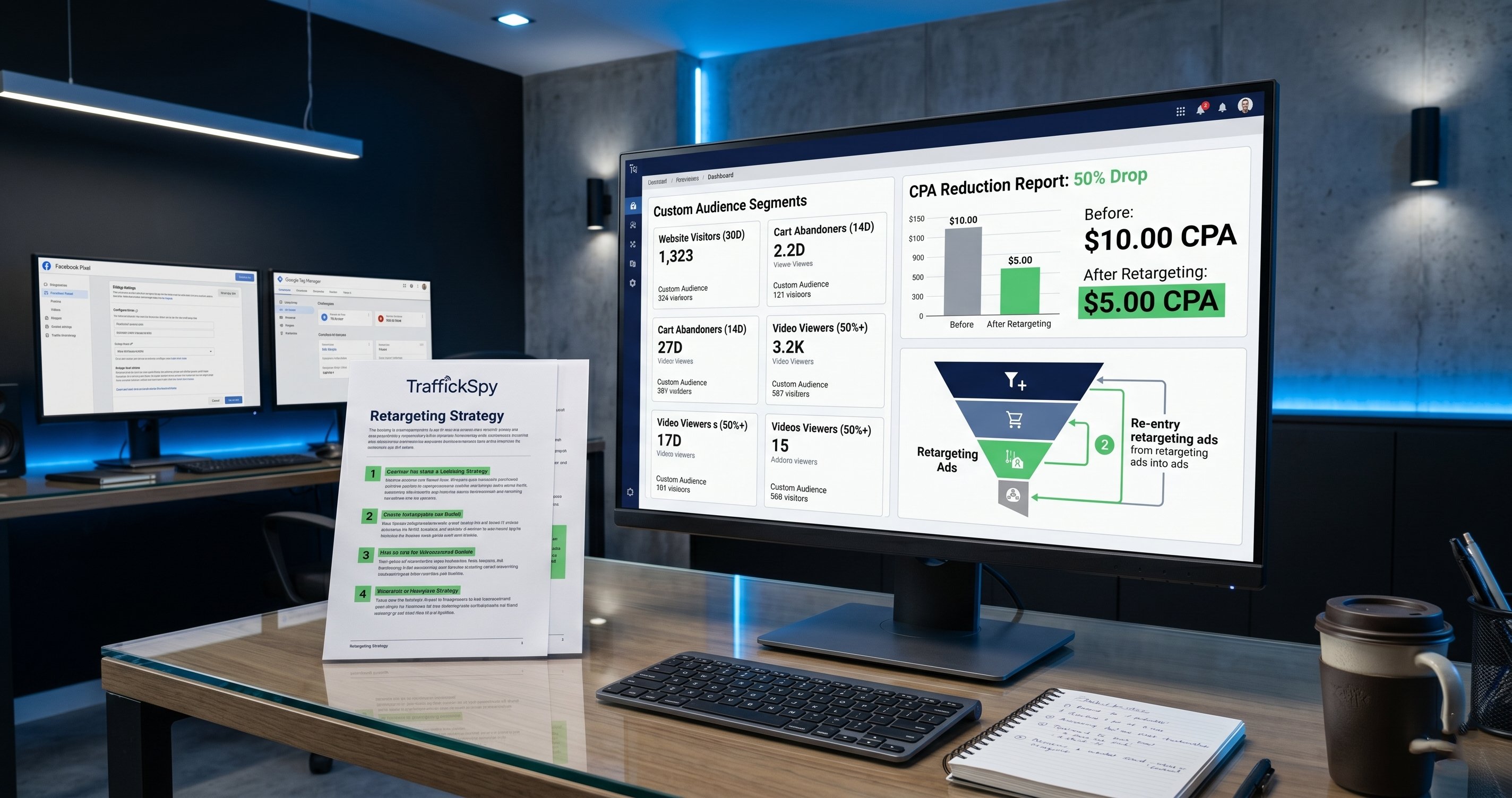
For traffic-intensive affiliate campaigns, understanding PPC advertising and social media advertising is essential — paid traffic can dramatically accelerate income if margins are managed carefully.
Choosing a Profitable Niche
The most common beginner mistake is choosing a niche based on personal passion rather than commercial viability. A niche needs three things to be profitable: a product or service that solves a real problem (people pay money to solve it), affiliate programs that pay meaningful commissions (minimum $30 per sale or $15 per lead), and an audience you can reach cost-effectively. High-performing affiliate niches in 2026 include digital marketing tools, personal finance, health supplements, online education, and B2B software.
Finding and Evaluating Affiliate Programs
The best affiliate programs combine high commissions, long cookie windows (90-day cookies mean you earn commissions on purchases made up to 90 days after a click), reliable tracking, and on-time payments. Top affiliate networks: ShareASale, CJ Affiliate, Impact Radius, PartnerStack (SaaS-focused), and Rakuten Advertising. Always review a program's EPC (earnings per click) — EPC above $1.00 indicates a converting offer.
Traffic Strategies for Affiliate Marketers
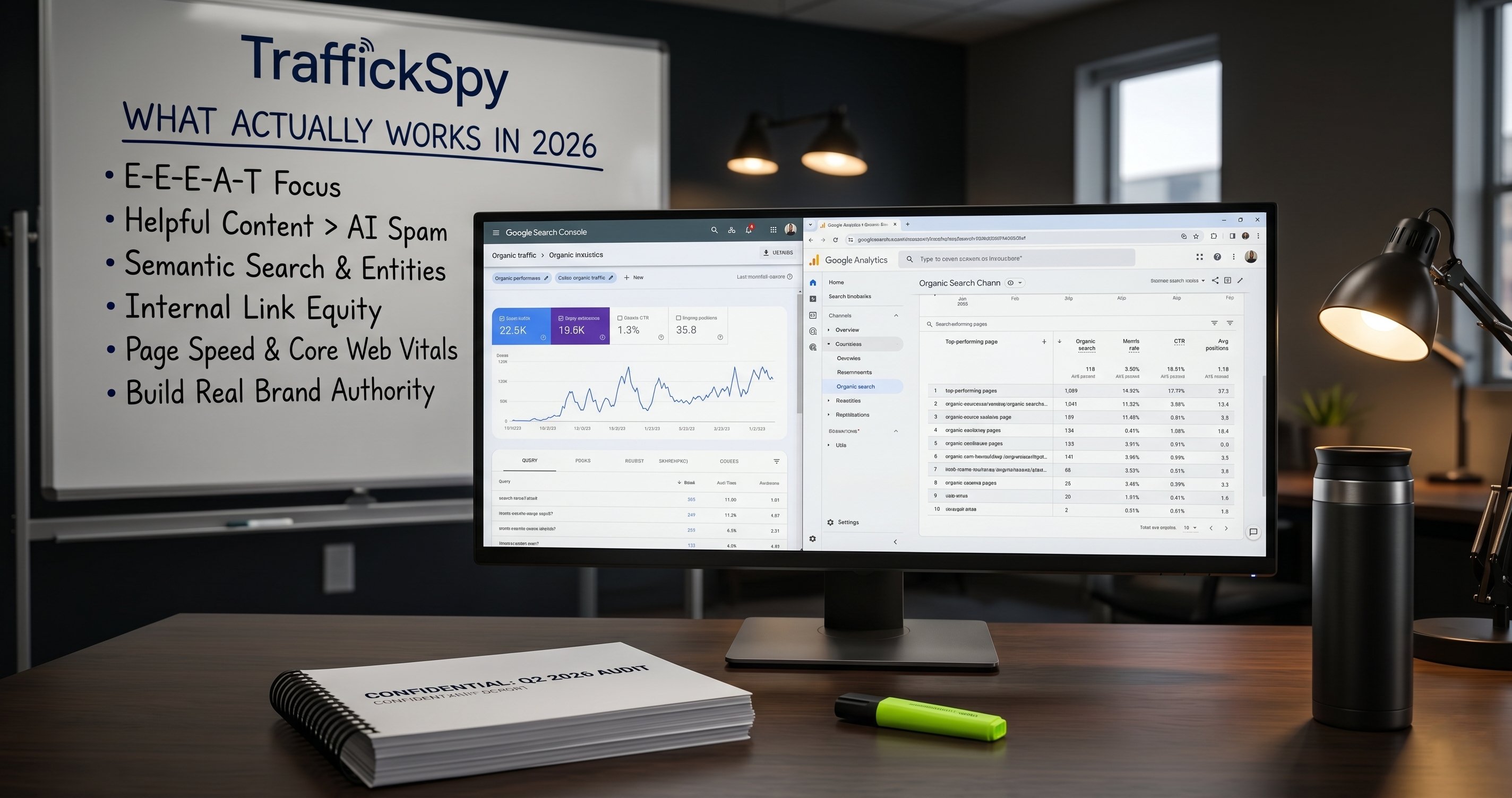
Your traffic strategy determines your income ceiling. The four primary affiliate traffic sources: SEO content (blog posts ranking for "best [product] for [use case]" queries — high long-term ROI, 6–12 months to results, best paired with strong SEO practices), paid search (running Google Ads directly to affiliate landing pages — requires careful margin analysis), social media (building audiences on YouTube, TikTok, Instagram around your niche), and email marketing (building a subscriber list and recommending products through sequences — the highest-converting channel for repeat affiliate income).
Your First 90 Days Action Plan
Month 1: Choose niche, join 3–5 affiliate programs, set up a website or content channel, publish 8–10 foundational content pieces. Month 2: Publish 12–15 more pieces, begin building an email list, analyze which content gets traction. Month 3: Double down on what works, optimize highest-traffic pages for conversions, add comparison and review content. Most affiliates see their first commissions by day 45–60 with consistent content output. Explore our marketer resources and contact our team if you want to add paid traffic to your affiliate strategy.